Mens Ring Guide: A Comprehensive Overview (Updated 04/15/2026)
Navigating the world of men’s rings requires understanding styles, metals, sizing, and care—this guide provides essential information for informed decisions․
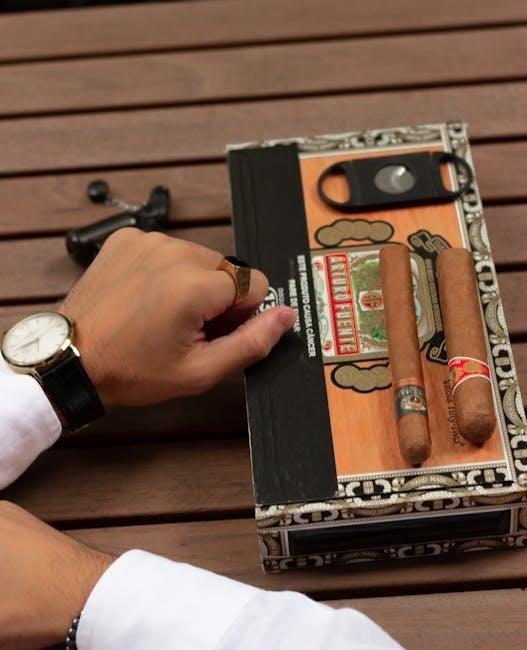
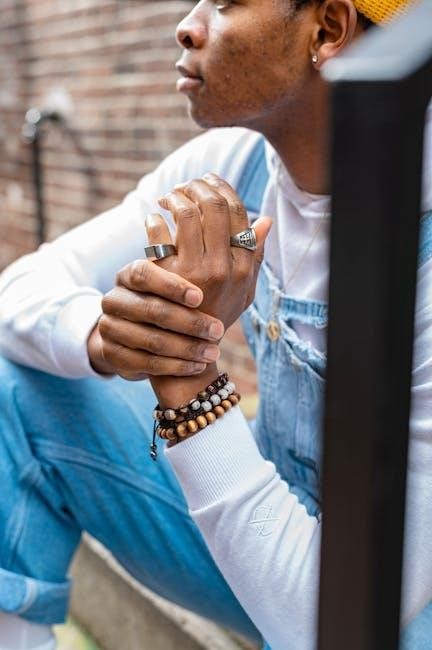
Understanding Mens Ring Styles
Men’s ring styles are diverse, ranging from classic bands to bold statement pieces․ Signet rings, historically used for sealing documents, now represent personal style and family crests․ Wedding bands symbolize commitment, available in various metals and designs—simple bands, intricate patterns, or inlaid with stones․
Fashion rings offer creative expression, featuring gemstones, unique textures, or sculptural designs․ Beyond these, consider spinner rings, offering a rotating band for tactile interest, or midi rings worn above the knuckle․ Understanding these styles helps define personal preferences and occasions, ensuring the perfect ring selection․
Popular Metal Choices for Mens Rings
Selecting the right metal is crucial for a men’s ring, impacting durability, appearance, and cost․ Gold remains a classic choice, available in yellow, white, and rose variations, with karat influencing purity and price․ Silver offers affordability and a bright luster, though it requires more maintenance․
Titanium and tungsten are renowned for their exceptional strength and scratch resistance, ideal for active lifestyles․ Platinum is a premium option, known for its rarity, durability, and hypoallergenic properties․ Each metal presents unique characteristics, influencing the ring’s overall aesthetic and longevity․
Gold Rings: Variations and Considerations
Gold rings offer diverse options, primarily differentiated by karat weight—14k and 18k being most popular for men․ Higher karat signifies greater gold purity, impacting color and softness․ Yellow gold provides a traditional look, while white gold offers a modern, sleek aesthetic, often requiring rhodium plating․
Rose gold, with its reddish hue, gains popularity․ Consider gold’s malleability; lower karat alloys are more durable․ Price varies significantly with karat and weight․ Proper care, including regular cleaning, maintains gold’s luster․
Silver Rings: Sterling vs․ Fine Silver
Silver rings present two primary choices: sterling silver and fine silver․ Fine silver (99․9% pure) is too soft for most everyday wear, making it prone to scratches and bending․ Sterling silver, an alloy of 92․5% silver and 7․5% other metals (usually copper), offers enhanced durability․
Sterling silver maintains a bright shine but requires regular polishing to prevent tarnishing․ It’s a more affordable option than gold or platinum․ Consider the potential for skin sensitivity to the copper content in sterling silver․
Titanium & Tungsten: Durability and Modern Appeal
Titanium and tungsten rings are celebrated for their exceptional strength and scratch resistance, appealing to men seeking durable, modern jewelry․ Tungsten carbide is incredibly hard, making it virtually indestructible, but also brittle and prone to shattering under significant impact․
Titanium is lightweight, hypoallergenic, and corrosion-resistant․ It offers a darker gray hue and can be anodized for color․ Both metals require specialized tools for resizing, often making it impossible․ They represent excellent value for their longevity and contemporary aesthetic․
Determining Your Ring Size
Accurate ring sizing is crucial for a comfortable fit, especially when purchasing as a surprise․ Several methods exist, each with varying degrees of precision․ Utilizing a ring sizing chart, comparing an existing ring’s inner diameter, is a common starting point․
The paper method involves wrapping a strip around the finger and marking the overlap․ However, professional sizing at a jeweler offers the most reliable results․ Consider finger shape and time of day, as fingers swell․ Incorrect measurements lead to discomfort or rings slipping off․
Using a Ring Sizing Chart
Ring sizing charts are readily available online and at jewelry stores, offering a convenient initial measurement․ These charts typically correlate inner diameter or circumference with standard US ring sizes․ To use effectively, print the chart accurately, ensuring it’s to scale․
Place an existing ring onto the circles, matching the inner edge․ If your ring falls between sizes, opt for the larger one․ Remember charts are approximations; variations can occur․ For the most precise result, confirm with a jeweler, especially for wider bands․
The Paper Method for Ring Measurement
The paper method provides a DIY ring sizing solution when a ring isn’t readily available․ Cut a narrow strip of paper, approximately 5-6 inches long․ Wrap it snugly around the base of the finger you intend to wear the ring on, ensuring it’s not too tight or loose;
Mark the point where the paper overlaps with a pen․ Measure the length of the paper from the end to the mark in millimeters․ Use a ring size chart to convert this measurement into your corresponding ring size․ Repeat for accuracy!
Professional Ring Sizing at a Jeweler
For the most accurate ring size, a visit to a professional jeweler is highly recommended․ Jewelers utilize specialized ring sizers – calibrated metal rings – to determine your precise fit․ This method eliminates potential errors from DIY techniques like paper strips․
They can also account for variations in finger size throughout the day․ A jeweler can expertly measure fingers that are larger or have unique shapes․ This ensures a comfortable and secure fit, especially crucial for wedding bands or valuable rings․
Ring Width and Finger Shape
Ring width significantly impacts appearance and comfort, interacting with your finger’s shape․ Wider rings (8mm+) suit broader fingers, creating balance, while narrower rings (4-6mm) are often better for slender hands․ Longer fingers can handle wider bands without appearing disproportionate․
Consider knuckle size; wider rings may struggle to pass over larger knuckles․ Thicker bands can also feel restrictive․ Experimenting with different widths is key to finding a style that complements your hand and feels comfortable for everyday wear․
Choosing Rings for Different Occasions
Selecting the right ring depends heavily on the occasion․ For weddings, durable metals like platinum, gold, or tungsten are popular choices, symbolizing lasting commitment․ Signet rings, steeped in history, convey personal style and family heritage, often featuring a crest or initial․
Fashion rings offer versatility – bolder designs for statements, simpler bands for everyday wear․ Consider the event’s formality; understated elegance suits professional settings, while more elaborate rings shine at social gatherings․ Prioritize comfort and practicality alongside aesthetics․
Wedding Bands: Styles and Metals
Men’s wedding bands represent enduring love and commitment, demanding careful consideration of style and material․ Classic bands in platinum or yellow gold remain timeless choices, symbolizing purity and tradition․ Modern options include tungsten, titanium, and stainless steel, offering durability and contemporary aesthetics․

Styles range from simple, polished bands to those with intricate detailing like brushed finishes, milgrain edging, or subtle inlays․ Comfort-fit bands are popular for all-day wear․ Matching the band’s metal to the engagement ring is a common practice, creating a cohesive look․
Signet Rings: History and Modern Usage
Historically used for sealing documents with wax, signet rings for men now primarily serve as stylish statements of personal identity and heritage․ Traditionally, these rings featured a family crest or coat of arms, engraved into the flat surface․ Today, customization extends beyond heraldry to include initials, symbols, or unique designs․
Popular metals include gold, silver, and even bolder choices like onyx or other gemstones․ Signet rings are often worn on the pinky finger, though placement is a matter of personal preference․ They represent a connection to the past while embracing contemporary style․
Fashion Rings: Making a Statement
Unlike wedding or signet rings with specific symbolism, fashion rings prioritize aesthetic expression and individuality․ These rings offer a vast landscape for personal style, ranging from minimalist bands to bold, gemstone-studded designs․ Materials are equally diverse, encompassing everything from stainless steel and titanium to precious metals like gold and platinum․
Fashion rings are ideal for adding a touch of personality to any outfit․ Consider stacking multiple rings for a layered look, or choosing a statement piece to draw attention․ They’re a fantastic way to showcase your interests and elevate your overall style․
Ring Care and Maintenance
Preserving the beauty and longevity of your men’s rings requires consistent care and maintenance․ Different metals demand specific cleaning approaches; gentle soap and warm water suffice for many, while polishing cloths are ideal for gold and silver․ Avoid harsh chemicals and abrasive cleaners, which can cause damage․
Regularly inspect your rings for loose stones or structural weaknesses․ Proper storage is crucial – use a soft pouch or individual compartments to prevent scratches․ Addressing minor issues promptly prevents costly repairs, ensuring your rings remain stunning for years․
Cleaning Different Metal Types
Effective ring cleaning varies significantly based on the metal․ Gold rings benefit from mild soap, warm water, and a soft brush; avoid chlorine․ Silver rings require regular polishing with a silver cloth to prevent tarnishing․ Tungsten and titanium are remarkably durable, needing only soap and water—avoid abrasive cleaners․
For rings with gemstones, be extra cautious; avoid ultrasonic cleaners which can loosen stones․ Always rinse thoroughly and dry with a soft, lint-free cloth․ Consistent, gentle cleaning preserves the brilliance and integrity of each metal type․
Preventing Scratches and Damage
Protecting your investment means minimizing potential damage․ Remove rings during strenuous activities like workouts, gardening, or manual labor․ Avoid contact with harsh chemicals—cleaning agents, chlorine, and even lotions can dull finishes․ Store rings individually in soft pouches or compartments to prevent scratching against other jewelry․
Regular inspections can identify loose stones or structural weaknesses․ Consider ring insurance for valuable pieces․ Proactive care significantly extends the life and beauty of your men’s rings, preserving their value․
Proper Storage Techniques

Correct storage is crucial for maintaining ring integrity․ Utilize individual soft pouches—microfiber or velvet are ideal—to prevent scratching from other jewelry․ Avoid storing rings in humid environments, as this can tarnish metals․ Dedicated jewelry boxes with partitioned compartments offer excellent organization and protection․
When traveling, secure rings in a padded case․ Regularly cleaning rings before storage prevents buildup that can cause damage․ Proper storage safeguards against scratches, tarnishing, and potential loss, ensuring longevity․
Understanding Ring Markings & Hallmarks
Ring markings and hallmarks provide valuable information about a ring’s metal purity and origin․ Common hallmarks include stamps indicating gold karatage (e․g․, 14K, 18K), silver purity (e․g․, 925 for sterling silver), and manufacturer’s marks․ These markings are legally required in many countries, assuring authenticity․
Understanding these symbols helps verify the ring’s quality and value․ Look for hallmarks discreetly placed on the inner band․ Familiarizing yourself with common hallmarks empowers informed purchasing and appraisal decisions, protecting against misrepresented jewelry․
Budget Considerations for Mens Rings
Establishing a budget is crucial before exploring men’s ring options․ Prices vary dramatically based on metal type, gemstone inclusion, and design complexity․ Sterling silver rings are generally the most affordable, while gold and platinum command higher prices․ Tungsten and titanium offer durability at mid-range costs․
Consider additional expenses like sizing, engraving, or insurance․ Prioritize quality over solely focusing on price; a well-made ring will last longer․ Setting a realistic budget ensures you find a ring that balances desired features with financial constraints․
Where to Buy Mens Rings
Men’s rings are available through diverse retail channels, each with unique advantages․ Online retailers offer extensive selections and competitive pricing, but lack the tactile experience of in-person shopping․ Local jewelers provide personalized service, expert advice, and the opportunity to try rings on before purchasing․

Consider factors like return policies, warranties, and the retailer’s reputation․ Comparing prices and reading customer reviews is essential․ Both online and brick-and-mortar stores can offer quality rings; the best choice depends on individual preferences․
Online Retailers: Pros and Cons
Purchasing men’s rings online offers convenience and a vast selection, often at discounted prices․ However, it presents challenges․ A primary benefit is the ability to compare numerous styles and vendors easily from home․ Conversely, you can’t physically try on the ring before buying, increasing the risk of incorrect sizing or dissatisfaction with the feel․
Carefully review return policies and shipping costs․ Authenticity can also be a concern; prioritize reputable retailers with clear guarantees․ Online shopping demands diligent research and a willingness to potentially return items․
Local Jewelers: Personalized Service
Visiting a local jeweler provides a distinctly personal shopping experience for men’s rings․ Expert staff offer professional ring sizing, ensuring a perfect fit—crucial for comfort and style․ You can examine rings firsthand, assessing their quality, craftsmanship, and how they appear on your finger․
Local jewelers often provide customization options, allowing you to design a unique ring․ Building a relationship with a jeweler fosters trust and access to expert advice․ While potentially more expensive than online options, the personalized service and assurance of quality are invaluable․
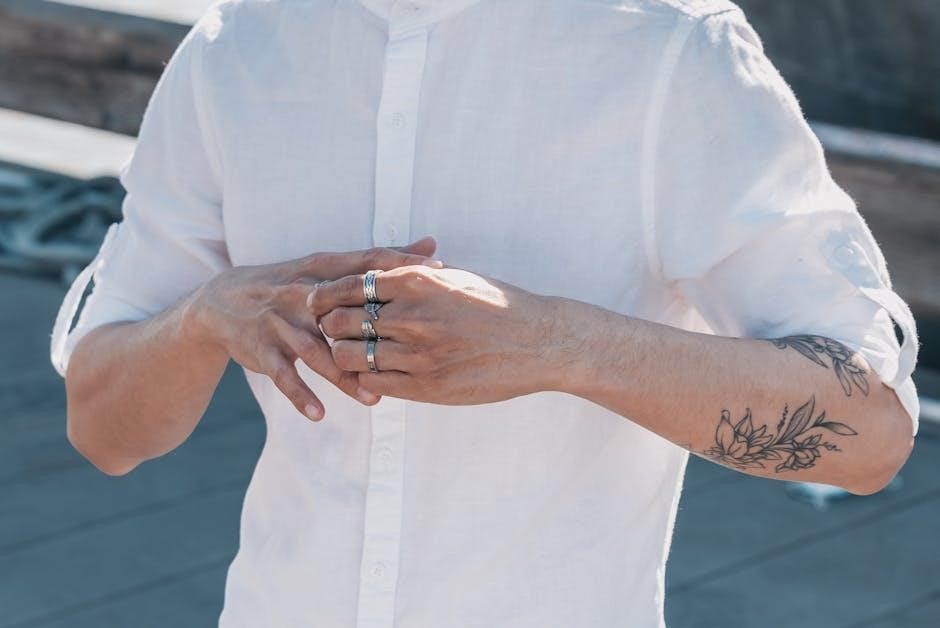
Custom Ring Design Options
Designing a custom ring allows for ultimate personalization, reflecting individual style and significance․ Options range from selecting specific metals – gold, platinum, titanium – to choosing unique gemstones or intricate engravings․ You can collaborate with a jeweler to bring your vision to life, specifying band width, profile, and overall aesthetic․
Consider incorporating meaningful dates, initials, or symbols into the design․ 3D modeling technology allows you to visualize the ring before production․ While custom designs typically involve a higher cost and longer lead time, the result is a truly one-of-a-kind piece․
Trends in Mens Ring Fashion
Current trends showcase a move towards bolder, more expressive designs in men’s rings․ Signet rings are experiencing a resurgence, often featuring family crests or personalized motifs․ Blackened metals, like black tungsten or titanium, offer a modern, edgy aesthetic․ Geometric shapes and textured bands are also gaining popularity, moving away from traditional smooth finishes․
Stacking rings – wearing multiple rings on one hand – remains a strong trend, allowing for layered looks․ Minimalist designs with subtle detailing continue to appeal, offering understated elegance․ Expect to see continued experimentation with alternative materials and unique settings․