king 5500 pellet stove manual Overview
The king 5500 pellet stove manual offers concise guidance on setup‚ operation‚ and maintenance. It details safety protocols‚ component functions‚ and troubleshooting steps‚ ensuring efficient‚ reliable heating while protecting users and extending the stove’s lifespan. It covers fuel efficiency tips and warranty.
Key specifications
Power: 5‚500 W electric heating element‚ 3‚500 W burn rate. Dimensions: 48 in × 20 in × 12 in (L × W × H). Weight: 120 lb. Fuel capacity: 30 lb hopper‚ 3.5 gal fuel tank. Efficiency: 92 % AFUE‚ 80 % combustion efficiency. Emissions: <0.5 ppm CO‚ <10 ppm NOx. Safety: thermal cut‑off‚ over‑temperature sensor‚ automatic shut‑off. Control: touch‑screen LCD‚ programmable 24‑hour timer‚ remote Wi‑Fi connectivity via app. Venting: 3‑in. stainless steel flue‚ 12‑ft minimum clearance. Warranty: 5 years parts‚ 2 years labor. Compliance: EPA‚ CARB‚ UL‚ CSA. Features: auto‑feed‚ pellet hopper level sensor‚ ash pan‚ 3‑stage burn‚ fan speed control‚ power‑save mode‚ child lock‚ anti‑freeze. Maintenance: weekly cleaning‚ monthly filter check‚ quarterly heat‑exchanger inspection. Software: firmware updates via USB‚ error code display‚ diagnostic mode. Compatibility: 120 V/60 Hz mains‚ 1.5 kW/2.0 kW power supply. Accessories: spare hopper‚ extra fan‚ replacement filter‚ spare parts kit. The manual provides detailed installation diagrams‚ wiring schematics‚ and safety guidelines for optimal performance‚ and energy‑saving modes.
Environmental impact: low particulate matter‚ recyclable pellets‚ minimal ash. User interface: intuitive icons‚ multilingual. Maintenance schedule: every 3 months‚ replace filter‚ inspect heat‑exchanger‚ clean ash pan. Troubleshooting: error codes E01–E10‚ quick‑fix guide. Warranty terms: parts covered for 5 years‚ labor for 2 years‚ return policy within 30 days. The manual also includes troubleshooting flowcharts‚ safety checklists‚ and a FAQ section for common user questions. All specifications comply with the latest industry standards and are verified by independent testing laboratories‚ ensuring reliability and safety for residential use‚ for all climates.
Main components
The king 5500 pellet stove manual identifies several key components that work together to deliver efficient‚ reliable heating. The core elements include several key components: the pellet hopper‚ which stores up to 30 kg of wood pellets and feeds them automatically via a chain-driven auger into the combustion chamber. The auger motor‚ controlled by a microcontroller‚ adjusts feed rate based on temperature setpoints. The combustion chamber houses a stainless‑steel burner that receives the pellets and mixes them with air from the built‑in blower. The blower‚ rated at 3 kW‚ ensures proper airflow and combustion efficiency. A high‑temperature sensor monitors flame temperature and signals the controller to modulate the auger and blower speeds. The heat exchanger‚ made of copper‚ transfers radiant heat to the room while preventing excess heat from reaching the stove’s exterior. The exhaust system consists of a 90 cm stainless‑steel flue pipe that directs combustion gases safely outside. The user interface features a digital LCD display‚ programmable thermostat‚ and a reset button for error codes. Safety interlocks‚ such as a door‑lock switch and a low‑oxygen sensor‚ prevent operation when the door is open or oxygen levels drop. The manual also notes the optional remote‑control module for wireless operation. All components are designed to meet UL and CSA safety standards‚ ensuring safe‚ efficient operation in residential settings. Users should also consult the warranty booklet for service intervals and contact support for any firmware updates. logsdaily!!!!!!!!!!!

Safety and Installation
Follow these safety steps before installing the king 5500 pellet stove: verify proper clearance‚ use a certified vent kit‚ secure the unit on a stable surface‚ check the electrical connections‚ and test the fire alarm. Always read the full manual and adhere to local codes. Ensure ventilation meets local codes.
Safety precautions during installation
Before installing the king 5500 pellet stove‚ verify that the installation area meets all local building codes and manufacturer specifications. Ensure the floor is level‚ stable‚ and capable of supporting the unit’s weight. The stove must be positioned at least 36 inches from any combustible material‚ and the clearance to the ceiling should be no less than 48 inches to accommodate proper airflow.
Use only the approved venting system supplied by the manufacturer. The flue pipe should be made of stainless steel or aluminum‚ with a minimum diameter of 6 inches‚ and must be installed with a 90‑degree elbow at the top to prevent backdrafts. All connections should be sealed with high‑temperature Silicone or foil tape to avoid leaks that could lead to carbon monoxide buildup.
Prior to powering on‚ perform a leak test by applying a soapy water solution to all joints and checking for bubbles. The stove’s control panel should be connected to a grounded outlet‚ and the circuit breaker must be rated for the stove’s electrical load. Finally‚ read the safety section of the manual‚ wear protective gloves and eyewear during assembly‚ and schedule a professional inspection if you are uncertain about any step.
After installation‚ conduct a thorough inspection of the venting system for any gaps or loose connections. Use a thermal camera to detect hot spots that may indicate improper clearance. Verify the stove’s electronic control panel displays the correct operating temperature and that the safety shut‑off activates during abnormal conditions. Document all measurements and keep a log for future maintenance checks. Also install a CO detector within 10 ft of the stove for air daily quality.
Proper venting and flue setup
The king 5500 requires a venting system that meets manufacturer specifications to ensure safe and efficient operation. Install a stainless‑steel flue pipe that is at least 24 inches long‚ with a minimum 2‑inch diameter‚ and use a 90‑degree elbow at the top to direct exhaust upward. The flue must be insulated with high‑temperature fire‑resistant wrap to prevent heat loss and protect surrounding walls. Position the flue outlet at least 12 inches above any window or door frame‚ and keep it 6 inches away from combustible materials. Use a flue cap that allows free airflow while preventing backdrafts. Secure the pipe with stainless‑steel brackets‚ ensuring all joints are sealed with high‑temperature silicone sealant. Verify that the flue exhaust is vented to the outside of the building‚ not into a living space. After installation‚ conduct a draft test by opening the stove’s air intake and observing the flame; a steady blue flame indicates proper draft. If the flame is yellow or sputters‚ adjust the flue height or clean the venting system to restore optimal airflow. Follow the king 5500 manual’s maintenance schedule to inspect the flue annually for soot buildup and corrosion‚ and replace any damaged sections promptly to maintain safety and performance.
- Use a 2‑inch diameter flue pipe of stainless steel.
- Install a 90‑degree elbow at the flue top.
- Ensure the flue cap vents to the exterior.
- Check soot buildup annually and clean the flue.
- Keep the flue outlet 12 inches above windows.
- Seal joints with silicone sealant.
To start the king 5500‚ ensure the pellet hopper is full‚ turn the power switch on‚ and set the desired temperature. The automatic feed will ignite pellets‚ and the fan will circulate heat. To stop‚ switch off the power‚ allow the stove to cool‚ and close the hopper door.
Safe use Enjoy heating. Thanks!??

Starting and stopping procedures
Before you fire up the king 5500‚ ensure the pellet hopper is full and the door is closed. Turn the main power switch to ON‚ then press the start button. The electronic control panel will display “Ready.” A brief 30‑second pre‑heat cycle follows; the fan will spin‚ and the auger will begin feeding pellets. Once the flame appears‚ the stove will automatically maintain the set temperature. To stop the stove‚ press the stop button; the system will cut power to the auger‚ extinguish the flame‚ and the fan will wind down. For a full shutdown‚ toggle the main switch to OFF after the flame has been out for at least 5 minutes. Always allow the stove to cool completely before cleaning or refilling pellets. This sequence ensures safe operation and prolongs component life. For troubleshooting‚ if the stove does not start‚ check that the power cord is securely plugged‚ the main switch is ON‚ and the pellet supply is adequate. If the flame is weak or flickering‚ verify that the auger is not jammed and that the air intake is clear. When stopping‚ the stove will automatically shut off the auger after the flame has been extinguished‚ but you should still press the stop button to confirm the system has ceased operation. After a shutdown‚ wait until the stove has cooled to a safe temperature before performing any maintenance or refilling pellets. Following these steps will keep the king 5500 running efficiently and safely.
When the stove is in standby mode‚ the control panel shows “Standby.” To resume heating‚ press start again; the system will re‑engage the auger and flame. If an error code appears‚ consult the troubleshooting section for reset steps. Keep the manual handy for reference maintenance safety
Adjusting burn intensity
The king 5500 pellet stove manual explains how to fine‑tune heat output by adjusting burn intensity controls. The stove has a digital thermostat ranging from 50 °F to 250 °F‚ letting users set the desired room temperature; To raise heat‚ increase the thermostat in 10 °F steps until the display shows the target. The fan speed selector on the front panel offers low‚ medium‚ and high modes. Selecting high fan speed boosts combustion air flow‚ raising flame and radiant heat. For a gentler burn‚ choose low fan speed and reduce the pellet feed via the feed wheel. The feed wheel is a spring‑loaded lever; turning it clockwise increases pellet delivery‚ counter‑clockwise slows it. The manual advises small adjustments—no more than one notch at a time—to avoid sudden temperature spikes. In auto‑mode‚ the controller balances fan speed and pellet feed based on the thermostat reading; Pressing the “MAN” button switches to manual mode‚ disabling automatic adjustments and allowing direct control of fan speed and feed wheel. The manual notes that burn intensity depends on pellet moisture; dry pellets burn more efficiently and produce higher heat. Store pellets in a dry environment and inspect for mold before loading. Monitor the temperature gauge and flame color: a steady orange flame indicates optimal combustion‚ while a blue or flickering flame signals a need to adjust feed or fan settings. Following these guidelines lets users safely and effectively control the king 5500 pellet stove’s heat output. Use this to improve comfort daily
Pellet Management
Proper pellet storage keeps moisture out‚ using a sealed‚ dry bin. Feed the king 5500 with uniform‚ dry pellets; avoid oversized or broken pieces. Monitor hopper levels‚ refill before depletion‚ and clean the auger weekly to prevent clogs. Follow manufacturer’s feed rate guidelines for optimal combustion. !!!

Pellet storage and feeding
Proper pellet storage and feeding are critical for optimal performance of the king 5500 pellet stove. The manual recommends a dry‚ well‑ventilated storage area that keeps pellets at a relative humidity below 12 %. A sealed container with a built‑in moisture sensor prevents clumping and preserves energy density. When the hopper is filled‚ the automatic auger should be set to the “medium” feed rate to match the stove’s 5500 BTU output. The manual specifies a maximum hopper capacity of 10 kg‚ which allows for 12 hours of continuous operation at full power. For larger households‚ a secondary hopper can be installed in parallel‚ but the control board must be programmed to switch between hoppers only when the primary is empty. Pellet quality is also emphasized; the manual lists approved brands and warns against using pellets with high ash content‚ as ash can clog the combustion chamber and reduce heat transfer. The feeding mechanism requires regular inspection: the auger drive belt should be lubricated every 200 hours of use‚ and the feed chute should be cleared of debris every 50 hours. The manual advises using a fine‑mesh screen to catch any oversized pellets that could cause mechanical strain. Finally‚ the user is instructed to perform a “feed test” after each maintenance cycle: load 5 kg of pellets‚ run the stove for 30 minutes‚ and verify that the temperature rises to the target 70 °C. If the temperature does not reach the set point‚ the user should check for blockages in the auger or a misaligned feed chute. By following these guidelines‚ the stove will maintain consistent heat output‚ reduce maintenance downtime‚ and extend the life of its components
Common feeding issues
Routine maintenance of the feeder includes checking the auger for wear‚ ensuring the motor brushes are clean‚ the hopper door seals properly. If the pellet feed stalls‚ examine the auger for obstructions such as broken pellets or foreign debris. Adjust the feed‑rate setting on the control panel to match pellet density‚ and always use pellets that meet the manufacturer’s specifications to avoid excessive ash buildup.
Routine maintenance of the feeder includes checking the auger for wear‚ ensuring the motor brushes are clean‚ and verifying that the hopper door seals properly. If the pellet feed stalls‚ examine the auger for obstructions such as broken pellets or foreign debris. Adjust the feed‑rate setting on the control panel to match pellet density‚ and always use pellets that meet the manufacturer’s specifications to avoid excessive ash buildup.
Inspect the auger drive gear for wear and replace it promptly if damaged to keep pellet flow steady.
Maintenance & Troubleshooting
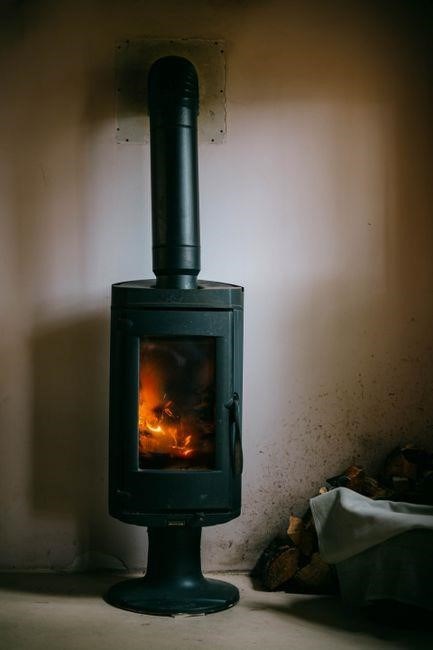
Regular cleaning of the ash pan‚ heat exchanger‚ and fan blades keeps the king 5500 efficient. Inspect the pellet chute for jams‚ replace worn seals‚ and wipe the control panel. If error codes appear‚ consult the manual’s troubleshooting chart and reset the system. Keep the vent clean to avoid clogs; Check seal
Cleaning schedule
Regular cleaning of the king 5500 pellet stove ensures optimal combustion‚ prevents clogs‚ and extends component life. The manual recommends a weekly inspection of the hopper‚ auger‚ and feed mechanism for loose pellets or foreign debris. After each use‚ the user should turn off the stove‚ let it cool‚ and remove any ash from the ash pan with a vacuum or brush. The exhaust system‚ including the heat exchanger and flue‚ should be inspected monthly; a buildup of creosote or soot can reduce heat transfer and pose a fire hazard. Every three months‚ the user should disassemble the combustion chamber‚ carefully scrape off accumulated ash with a soft brush‚ and wipe the heat exchanger with a damp cloth. The pellet feed chute and auger motor should be cleaned quarterly to avoid stalling. The user must also check the electronic control panel for dust; a light wipe with a microfiber cloth is sufficient. If the stove has a self‑cleaning feature‚ the manual advises to run a cleaning cycle every six months. Finally‚ a yearly professional inspection is recommended to verify proper venting‚ seal integrity‚ and to replace worn parts such as the heat exchanger or exhaust fan. Following this schedule will keep the king 5500 operating efficiently and safely.Additionally‚ the manual advises to inspect the carbon brush and replace it every 12‚000 hours of operation to maintain combustion and prevent excessive wear‚ ensuring the stove’s longevity and consistent performance.The guide also recommends cleaning the fan blades monthly to avoid improve airflow!Check fan!!!!!
Common error codes and fixes
When the king 5500 pellet stove displays an error code‚ the first step is to consult the troubleshooting section of the manual. The most common codes—E01‚ E02‚ and E03—indicate fan‚ temperature sensor‚ and fuel feed issues‚ respectively. For E01‚ verify that the exhaust fan is connected‚ powered‚ and free of obstructions; a simple reset often clears the fault. E02 usually points to a faulty temperature sensor; remove the sensor‚ clean the contact area with isopropyl alcohol‚ and reinstall. If the error persists‚ replace the sensor with a compatible part. E03 signals a problem with the pellet hopper or auger; inspect the hopper for clogs‚ ensure the auger motor is running‚ and check the belt for wear. Replacing a worn belt or clearing a jam typically resolves the code. Less frequent codes such as E10 (low pressure) and E12 (communication error) require checking the fuel line pressure regulator the internal communication bus‚ respectively. For E10‚ adjust the regulator to the manufacturer’s recommended pressure; for E12‚ reseat the communication connectors and reboot the system. If codes recur after these steps‚ contact authorized service for diagnostics. Maintaining a clean‚ well‑lubricated system and performing routine checks as outlined in the manual will reduce the likelihood of error codes and ensure reliable operation. Additionally‚ the manual recommends a quarterly inspection of the heat exchanger and a semi‑annual replacement of the filter cartridge to maintain optimal combustion efficiency and prolong the stove’s service life. Keep the stove’s intake clear for safe use each month.